The story behind the world's most popular open-source multimedia player.
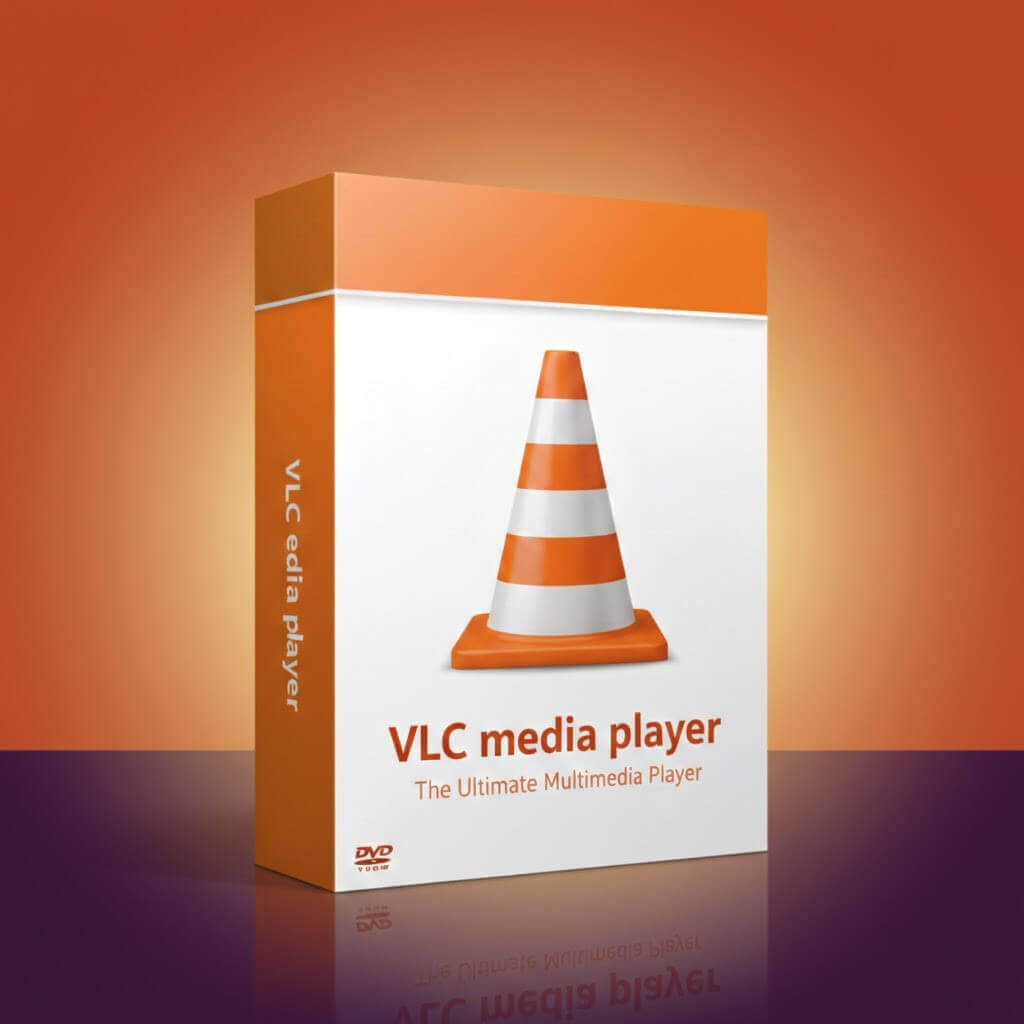
VLC media player (originally VideoLAN Client) is a free, open-source, cross-platform multimedia player and framework. It plays most multimedia files as well as DVDs, Audio CDs, VCDs, and various streaming protocols.
Developed by the VideoLAN non-profit organization, VLC is available for desktop operating systems (Windows, macOS, Linux), mobile platforms (Android, iOS), and even specialized systems like ChromeOS and FreeBSD.
With over 6 billion downloads worldwide, VLC is one of the most downloaded software applications in history. It has been continuously developed and improved since its first public release in February 2001.
A non-profit that produces free, open-source multimedia software and libraries.
VideoLAN is a non-profit organization comprised of volunteers and contributors from around the world. The project relies on community participation for development, testing, translation, and support.
VLC has been downloaded over 6 billion times and is used in homes, schools, businesses, and governments worldwide. It is translated into more than 106 languages.
All VLC source code is publicly available and can be reviewed, modified, and redistributed. The project is hosted on the official VideoLAN code repository at code.videolan.org.
VideoLAN operates on donations from users and sponsors. The organization accepts no advertising revenue, ensuring VLC remains free of ads and commercial influence.
From a university project in Paris to the world's most popular media player.
The VideoLAN project begins as an academic project at the Ecole Centrale Paris, initially designed for streaming video across the campus network.
VLC media player is released to the public as free, open-source software under the GNU GPL license on February 1, 2001.
VLC expands beyond Linux to support Windows and macOS, significantly broadening its user base and establishing itself as a cross-platform solution.
VLC reaches the milestone of 1 billion downloads, cementing its position as one of the most popular software applications in the world.
VLC launches on Android and iOS, bringing the same powerful media playback to smartphones and tablets.
VLC 3.0 releases with major improvements including Chromecast support, hardware-accelerated 8K playback, HDR support, 360-degree video, and Blu-ray Java menu support.
VLC surpasses 6 billion total downloads and continues active development with AI-powered features being showcased at CES 2025.
The current stable release continues to receive updates, bug fixes, and security patches. VLC 4.0 is in active development with a redesigned interface and modern architecture.

The VLC traffic cone logo is one of the most recognized icons in software history. It was designed by Richard Oiestad and has become synonymous with reliable, free media playback.
The cone's origin story is tied to a collection of traffic cones gathered by students at the Ecole Centrale Paris, where the VLC project was born. The playful symbol reflects the project's academic and community-driven roots.
Today, the orange cone is recognized globally as a symbol of open-source software excellence and a commitment to user freedom.
VLC's commitment to free software ensures that everyone has access to powerful multimedia tools.
Every line of VLC's source code is publicly available. Anyone can review, audit, and verify that the software does exactly what it claims.
VLC does not collect user data, display advertisements, or include any form of tracking. Your media habits remain completely private.
Developers worldwide contribute code, translations, and bug reports. The collaborative model ensures VLC continues to improve and adapt.
Download VLC today and experience the media player that has been trusted since 2001. Free forever.
 English
 Arabic
 Chinese
 French
 German
 Hindi
Hindi Japanese
 Korean
 Portuguese
 Russian
 Spanish
 Thai
Thai Turkish